Lab Description
Grade Levels: K-5
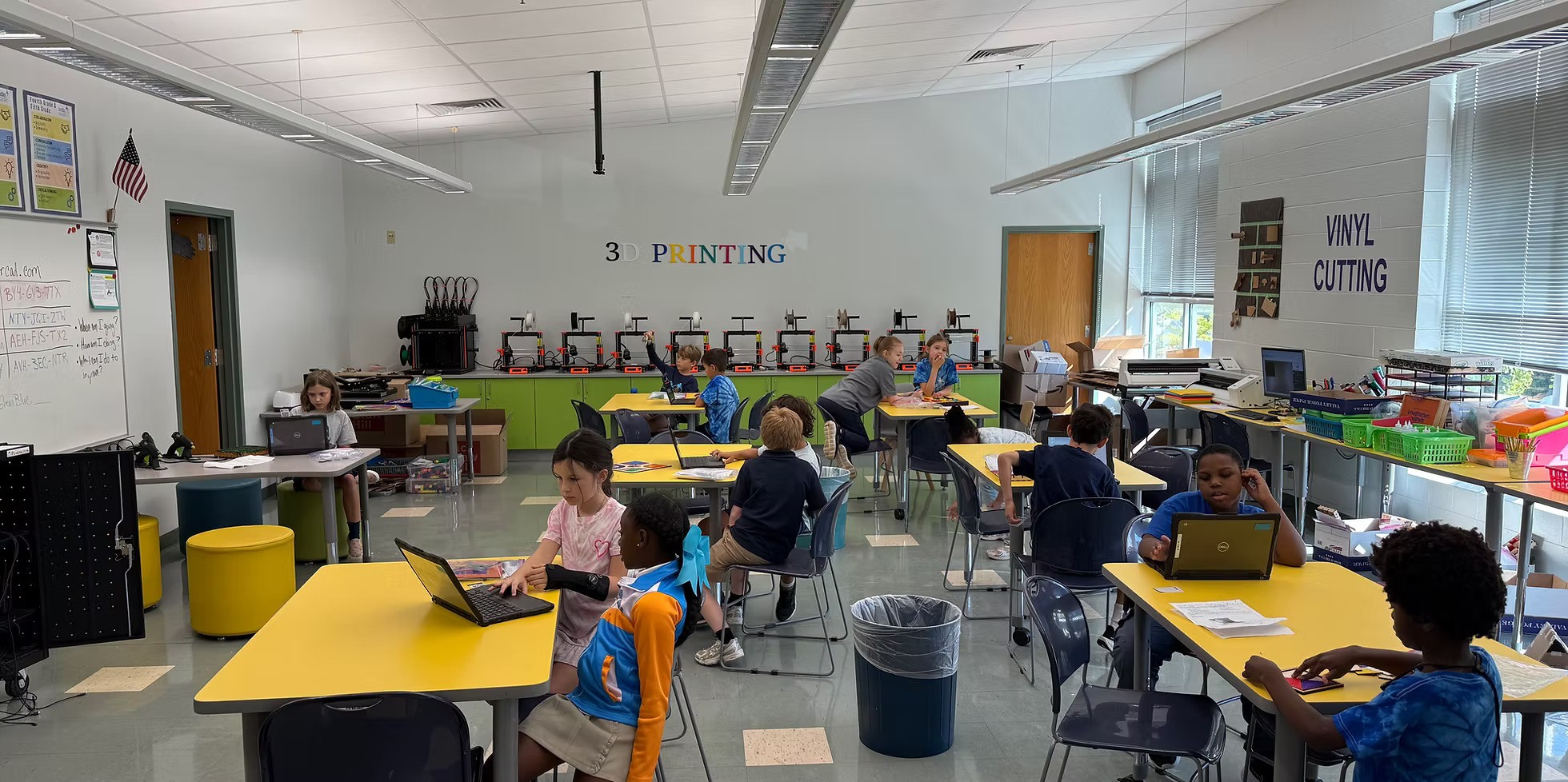
At Battle Academy, the VW eLab turns ideas into reality. Students begin in the Design Studio, learning the design process through sketching and brainstorming, then move to the Maker Studio to prototype using everything from cardboard and hand tools to 3D printers, vinyl cutters and lasers. Recognized as a Leading eLab in 2025, it fosters creativity, communication, collaboration and critical thinking in every project.
eLab Specialist
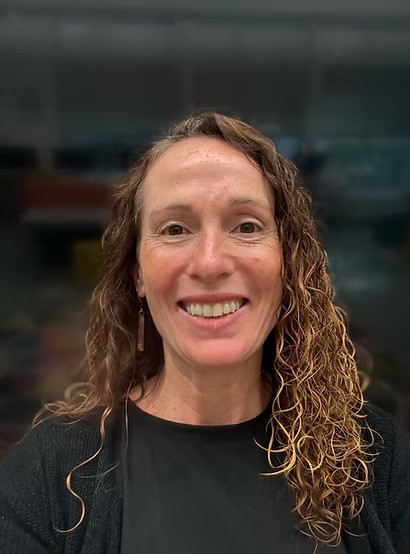
Carrie Hoover
Carrie Hoover has been part of the Battle Academy family for 20 years. After teaching 4th grade for 15 years, she became the eLab Specialist in 2021. She loves working with all PreK–5th grade students to spark curiosity, creativity, and problem-solving through PBL. The VW eLab has grown into a vibrant learning space, recognized as Established in 2023 and Leading in 2025.
Impact
Battle Academy launched our VW eLab five years ago, and since then its impact has been transformative. The VW eLab has become a hub for innovation where students in grades K–5 engage in the design process to solve real-world problems and create meaningful solutions. Through this work, students learn to use advanced technology and digital fabrication tools such as 3D printers, Glowforge laser cutters, vinyl cutters, and design programs like Tinkercad. They also earn micro-credentials through FabFolio, showcasing mastery of these skills.
As a result, our students are developing essential 21st-century skills in creativity, critical thinking, communication, and collaboration. We see this impact daily: students demonstrate greater perseverance when tackling challenges, stronger teamwork during group projects, and deeper critical thinking across all subject areas.
The VW eLab has reignited a joy for learning and has become an integral part of our Tier I instruction—bringing lessons to life through hands-on, meaningful work. Our community partners and career connections deepen students’ understanding of real-world applications of the skills learned in the lab. Our students are not only future-ready but are already innovating today—proving that when given the tools and opportunity, they can imagine and build a better world and hope in what the future holds for them.
Highlights
In the VW eLab, students take on authentic design challenges that merge creativity, collaboration, and problem-solving with real-world tools and technology.
1st Grade – Tool Makers
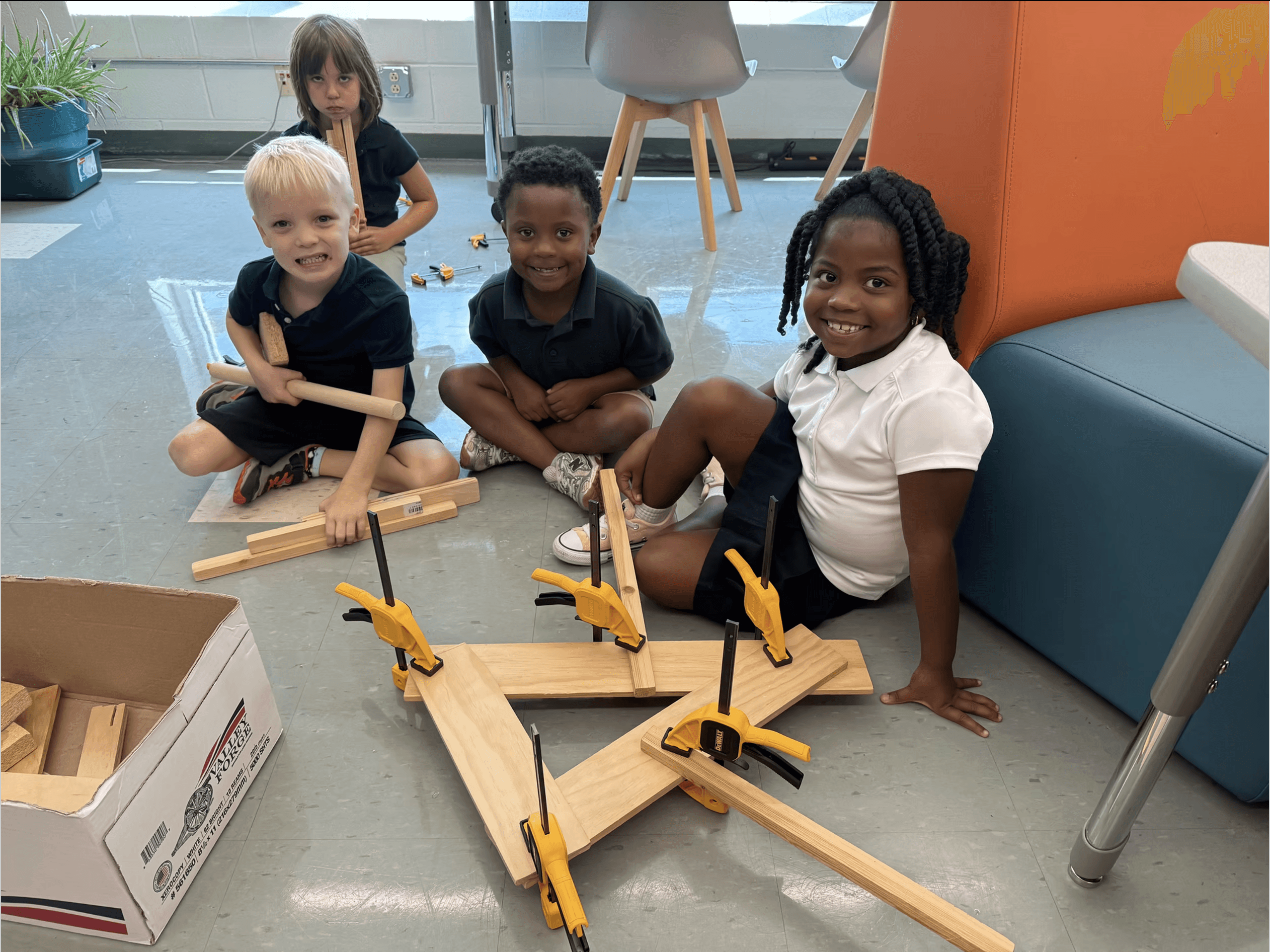
First graders became manufacturers tasked with designing a tool to help their classroom. They sketched ideas, built Play-Doh prototypes, and used Tinkercad to 3D print their designs. Along the way, they gained technical skills with real tools—clamps, wrenches, screwdrivers, hammers, sanding blocks, and rulers—and even a 3D printed nail holder for safe use. They also practiced collaboration, feedback, and reflection to solve everyday problems.
3rd Grade – Global Game Designers
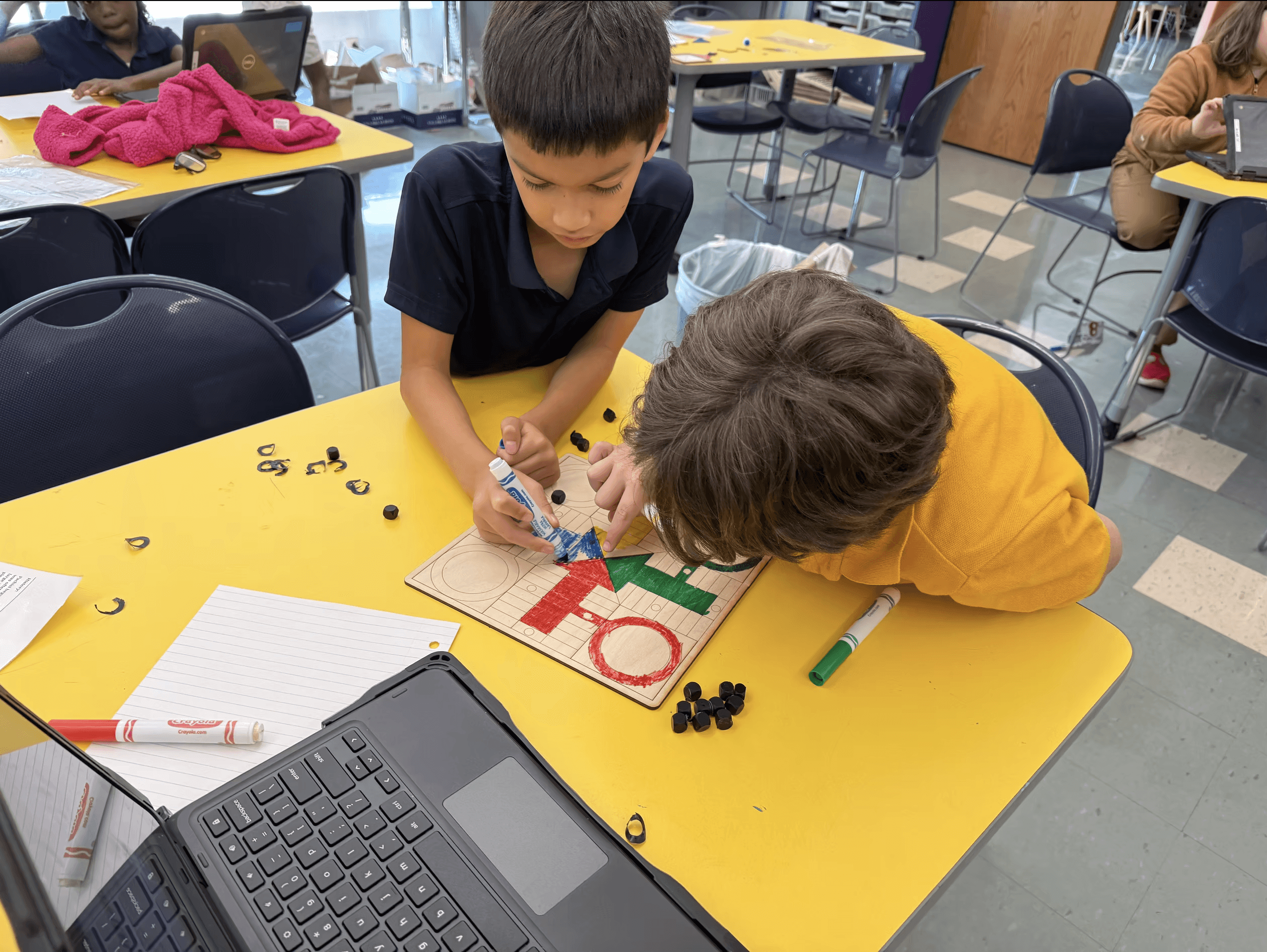
Third graders studied how children worldwide overcome learning challenges, then designed educational games for kindergarteners. Using the Glowforge and 3D printing, they created games that taught new skills. Teams collaborated on a class Book Creator project, writing step-by-step instructions and recording short videos to explain their games. The project built empathy, communication, and engineering skills while letting students see their designs impact younger learners.
5th Grade – Structural Engineers
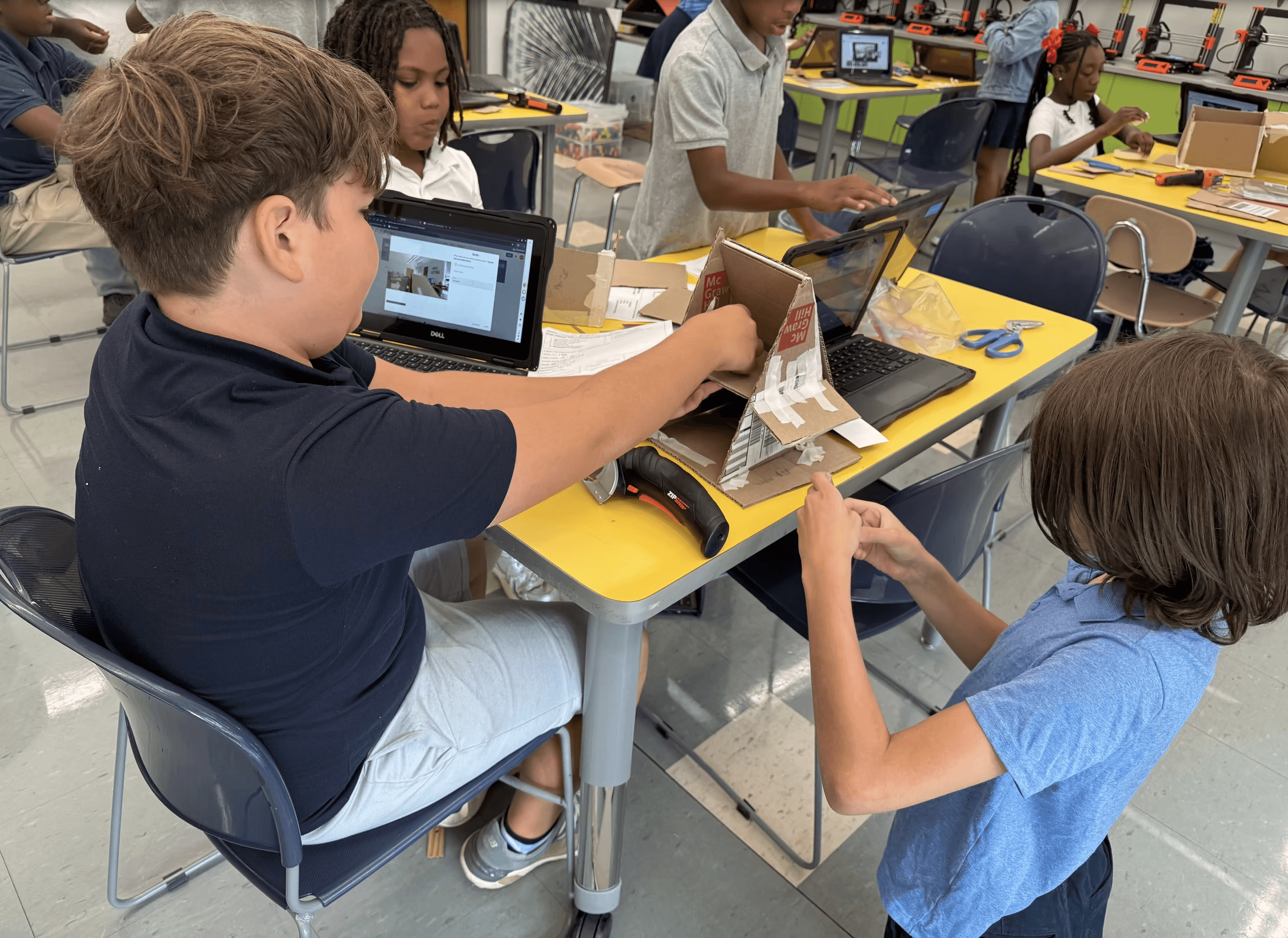
Fifth graders connected their reading of Esperanza Rising to engineering by designing cabins that could withstand a dust storm. They researched architecture, sketched plans, built cardboard prototypes, and laser-cut final models. Each cabin was tested with wind and sand, requiring iterations based on feedback. Students documented their process in FabFolio and worked to earn the Cardboard Modeler microcredential, discovering how failure drives innovation and how design choices affect strength and sustainability.
Across these projects, students didn’t just “make things”—they became problem-solvers, inventors, and designers applying creativity and critical thinking to real-world challenges.